
AmoraReads - Books & Stories
Ivula-TechBooks & Reference
4.0316.00 Reviews
- Version
- 1.4.1
- Installs
- 50.00K
- Age Rating
- Teen
Screenshots
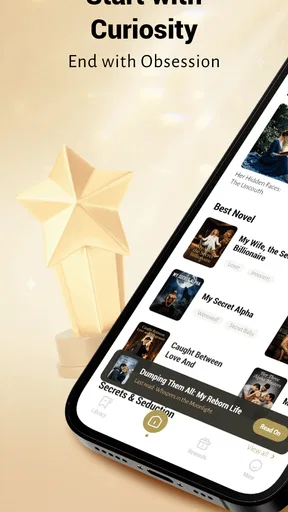
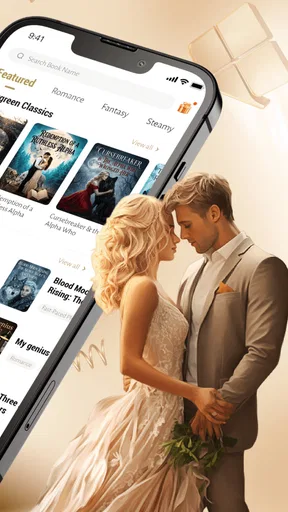
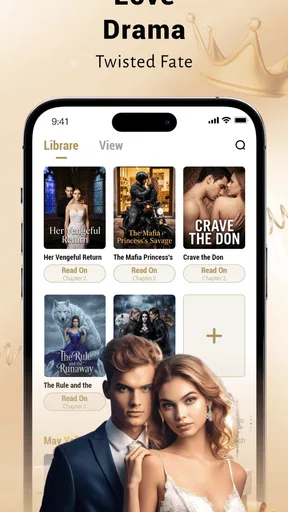
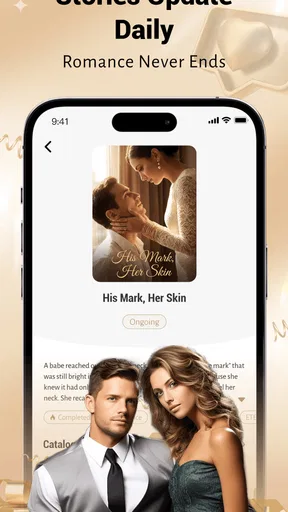
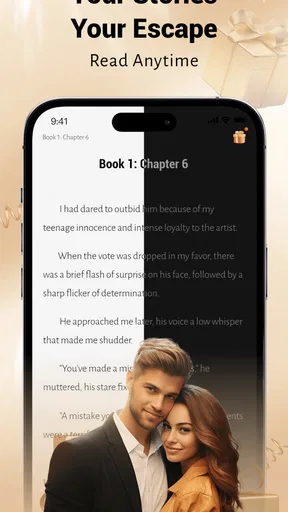
Our Review of AmoraReads - Books & Stories
 Analysis by Appyee
I approached AmoraReads as a reading app rather than as a simple shelf of digital books. That distinction matters. Its focus is immersive story reading, so the experience is built around settling into fiction, returning to a story when I have a spare moment, and keeping the reading process less distracting than browsing a general-purpose library. Developed by Ivula-Tech, it belongs to the Books & Reference category and is available free of charge, with optional in-app purchases ranging from under a dollar to nearly one hundred dollars per item.
My first impression was that the app makes the most sense for readers who want an approachable place to discover and follow stories on a phone. It is not trying to replace every reading tool at once. Someone who mainly reads technical PDFs, academic papers, or books they already own may prefer a dedicated document reader or an established ebook service. For readers who enjoy serialized fiction, casual reading sessions, and a more story-centered routine, however, AmoraReads has a clear reason to exist.
How the everyday reading workflow feels
The most useful way to begin is to treat the app as a repeatable reading habit, not as something to open only when I am actively searching for a new title. I would browse when I have time to choose carefully, save my place, and then return later for a short session. That approach avoids one of the common problems with mobile reading apps: spending more time deciding what to read than actually reading.
On a normal day, I would use it in three stages. First, I would look through the available stories with a specific mood in mind instead of opening everything that catches my eye. A narrow choice works better on a small screen. Second, I would read in a focused block, even if that block lasts only a few minutes. Third, I would stop at a natural point and return later rather than repeatedly switching between several unfinished stories.
That last habit is especially useful for readers who consume fiction in short bursts. A commute, a lunch break, or a quiet few minutes before bed can become a consistent reading slot. The app’s value is not only in presenting stories; it is in reducing the effort needed to resume one. I found that a simple routine—one current story, one backup story, and no constant browsing during a session—made the experience feel calmer and more intentional.
New users may wonder whether a free app is suitable for serious reading. In my view, “free” describes the entry point rather than every possible part of the experience. AmoraReads can be tried without an upfront purchase, but optional in-app purchases are present, so I would approach any premium-looking choices carefully. The important practical step is to decide early whether I am comfortable reading within the free experience or whether I want to spend on additional content or conveniences.
The app is marked for Teen audiences, which is useful context for families and younger readers. I would still make choices based on the individual story rather than treating the age label as a complete description of every theme. Parents who are selecting reading material for a teenager should remain involved in the same way they would with any broad story platform.
What I would check before settling in
Before starting a long session, I would spend a little time checking how the reading screen behaves. Text size, spacing, brightness, and any available display controls can make a larger difference than the catalogue itself. A layout that feels fine for two minutes may become tiring after half an hour, especially on a phone held close to the face.
I also recommend checking whether the current reading position is being preserved in the way you expect. The practical test is simple: open a story, read far enough to create a clear stopping point, leave the app, and return later. This tells you more than a quick first launch. If you regularly move between devices, you should also pay attention to how reliably your place follows you, rather than assuming every reading app handles that identically.
Another useful check is notification behavior. If the app offers reading-related alerts, I would keep only the ones that genuinely help me return to a story. Too many reminders can change an enjoyable reading routine into another stream of interruptions. For bedtime reading, I would also inspect the visual settings and system brightness, because a comfortable page is more important than a feature list.
Storage and connectivity deserve a realistic look as well. I would not assume that every story or reading state is available offline unless the app clearly presents that option during use. If you plan to read while travelling, test the exact titles and sections you intend to use before leaving reliable internet access. This is a small preparation step, but it prevents the frustrating discovery that a planned reading session depends on a connection.
The current version is 1.4.1, and the app supports devices running Android 7.0 or later. That makes it accessible to people using older Android hardware, although the quality of the experience will still depend on the phone’s screen, speed, battery condition, and available storage. On a modest device, I would close demanding background apps before a long session and keep the display settings comfortable rather than maximally bright.
Small habits that make reading faster
Experienced users can get more from AmoraReads by separating discovery from reading. I would do my browsing at a convenient time, choose a small queue, and then open the app later with a decision already made. This is faster than using every spare minute to search. It also makes it easier to judge whether the app is helping me read more or merely encouraging me to keep looking for the next story.
A second useful pattern is to match story length and mood to the available time. For a short break, I would choose something easy to resume and avoid beginning a complicated narrative when I know I have only a few minutes. For a longer evening session, I would select one story and silence unrelated notifications. This sounds obvious, but it prevents the stop-and-start feeling that often makes phone reading seem less satisfying than paper or a dedicated ereader.
I would also keep a personal note of why I paused a story if the app does not make that easy to remember. A brief reminder such as “continue after the argument” or “check the new chapter” can remove the mental friction of returning after several days. This is not a special AmoraReads function; it is a practical companion habit that helps when a reading platform contains multiple ongoing stories.
For families, a shared routine can work better than casual monitoring. A teenager can choose stories independently while a parent occasionally discusses what they are reading and checks whether the content suits them. Because the app is free to install but includes optional purchases, I would also review the device’s purchase controls before handing it to a younger reader. That protects against accidental spending without making reading itself feel restricted.
Readers who use accessibility features should combine the app with the phone’s own tools where appropriate. Larger system text, display scaling, screen-reading support, and brightness controls can improve comfort, but they should be tested with actual story pages rather than assumed to work perfectly together. If your reading depends on advanced typography controls, you may find a dedicated ereader app more adaptable.
One trade-off became clear to me: the more I tried to optimize discovery, the less immersive the reading felt. Browsing, previews, and switching between stories can be enjoyable, but they also break concentration. My preferred pattern is to browse briefly, commit to one story, and postpone further exploration until the session ends. That gives the app room to function as a reading environment instead of a constant recommendation loop.
Where the app is strong, and where it reaches its limits
AmoraReads is strongest when the goal is accessible story reading on a mobile device. It is easy to understand as a free starting point, and its Books & Reference placement accurately reflects its purpose. The story-first approach should appeal to people who want entertainment in small sessions, especially those who do not want to manage files, convert formats, or build a personal library before they can begin.
It is less convincing for readers with specialized requirements. If your routine revolves around highlighting passages, exporting notes, comparing editions, managing a large collection of purchased ebooks, or reading complex documents, a conventional ebook reader may be the better choice. Likewise, people who already have a carefully organized library may gain more from an app designed around file management and synchronization than from a story-discovery platform.
The optional purchase model is another point to consider. Free access lowers the barrier to trying the app, but readers should not confuse that with unlimited access to every possible item or convenience. I would make a few sessions my test period, notice what is available without payment, and then decide whether any paid option actually improves my reading routine. If the free selection already fits your habits, there is no reason to spend simply because an upgrade is visible.
There is also a difference between a good phone reading experience and a dedicated reading device. A phone is convenient because it is already with me, but it brings calls, messages, battery concerns, and a smaller display. AmoraReads benefits from that convenience, yet it cannot remove every distraction created by the device itself. For deep reading, I would use a quiet setting and reduce interruptions. For quick access anywhere, the phone is exactly where the app makes the most sense.
The public response gives the app a useful but not flawless signal: it holds an average rating of 4.0 from around eleven thousand ratings, alongside hundreds of written reviews. I read that as evidence of a generally positive reception with room for individual differences. A reading app can suit one person’s preferred stories and screen habits while disappointing another reader who expects extensive library tools, advanced formatting, or a different content mix.
Its reach is also meaningful without being overwhelming, with over fifty thousand installs. That suggests a real audience has tried it, but I would still judge the app by my own reading goals rather than by popularity alone. The developer, Ivula-Tech, has produced a focused product rather than a universal answer to every reading need, and that focus is both its appeal and its boundary.
Who should try it first
I would recommend starting with AmoraReads if you want a free way to explore mobile stories, prefer short or flexible reading sessions, and do not need a highly technical ebook workstation. It is a particularly reasonable fit for someone who reads during gaps in the day and wants the story itself to be the centre of the experience.
It can also suit a reader who is rebuilding a reading habit. Instead of setting an ambitious target, I would open one story at a predictable time each day and stop while the experience still feels enjoyable. That makes returning easier. The app’s low entry cost helps here because there is little commitment involved in testing whether its style matches your routine.
I would be more cautious if you need comprehensive parental controls, a large personal ebook archive, robust annotation, or dependable offline reading for travel. Those needs should be tested directly before you rely on the app. If they are essential, a specialist reader may be a better investment even if its interface feels less focused on discovering stories.
My verdict after building a routine around it
After looking at AmoraReads as a daily tool rather than a quick download, I see a focused app with a sensible place in the mobile reading landscape. It makes the most sense when I want stories available without a complicated setup, and when I am willing to create my own discipline around browsing, notifications, purchases, and stopping points.
The best way to use AmoraReads is to make it part of a repeatable reading habit, not an endless browsing habit. Choose a small queue, adjust the display before a long session, test how your position is saved, and decide what role optional purchases should play before spending. Those steps reveal whether the app fits your needs much faster than simply opening it once.
For casual fiction readers and people looking for an accessible story-reading app, I think it is worth trying. Its free entry point, Teen content rating, broad Android compatibility, and focused purpose make that decision straightforward. I would skip it in favour of a dedicated ebook or document reader if advanced library management, annotations, or specialized reading controls matter more to you than quick access to stories.
Overall, my recommendation is positive but specific: use AmoraReads when convenience and immersion in mobile stories are your priorities. Keep your expectations realistic about the limits of a phone-based platform and its optional purchases, and the app becomes easier to appreciate. It is not a replacement for every reading method, but for the right reader, it can turn otherwise unused minutes into a consistent and enjoyable reading routine.
Verdict
Strengths of AmoraReads - Books & Stories
- Clean, distraction-free reading interface
- Useful library organization for saved books
- Supports discovering lesser-known authors and stories
- Comfortable for short reading sessions on mobile
- Regular content updates can keep the catalog fresh
Limitations of AmoraReads - Books & Stories
- Catalog size may be smaller than major ebook platforms
- Some titles or features may require in-app purchases
- Reading preferences may be limited compared with advanced apps
- Availability of books can vary by region
- Account registration may be needed to sync library data
Similar Picks in This Category
View All
Google Play Books & Audiobooks
Google LLC4.7

네이버 - NAVER
NAVER Corp.3.5

Wattpad - Read & Write Stories
Wattpad.com3.7

King James Bible - Verse+Audio
Ozion4.8

Bible Offline-KJV Holy Bible
Bíblia Offline4.9

Amazon Kindle: Reading App
Amazon Mobile LLC4.8
Frequently Asked Questions
What is AmoraReads - Books & Stories?
AmoraReads - Books & Stories is a reading app focused on discovering and enjoying digital books, serialized fiction, and short stories. Its catalog may include romance, drama, fantasy, mystery, and other popular genres. Readers can browse available titles, open story descriptions, and begin reading from a mobile device. The exact selection and available features can vary by region and app version.
Is AmoraReads free to download and use?
The app may be free to download, but access to all books, chapters, or reading features can depend on the title and the platform’s current policies. Some content may be available at no cost, while other stories could require in-app purchases, credits, subscriptions, or waiting between chapter unlocks. Check the listing and in-app purchase details before committing to paid content.
Does AmoraReads require an account or an internet connection?
AmoraReads may allow users to explore parts of its catalog without registering, but an account can be required to save reading progress, synchronize a library, use personalized recommendations, or access purchases across devices. An internet connection is generally needed to browse and load online stories. Offline reading, if offered, may be limited to previously downloaded chapters.
What kind of books and stories are available on AmoraReads?
The available content depends on the app’s current catalog, licensing agreements, and your location. You may find original web fiction, serialized novels, short stories, and translated or independently published works across genres such as romance, fantasy, suspense, and contemporary drama. Before downloading, review the categories, descriptions, ratings, and content notices to confirm that the library matches your interests.
Is AmoraReads suitable for children and teenagers?
AmoraReads should not automatically be considered a children’s reading app. Some stories may contain mature themes, strong language, violence, sexual references, or emotionally intense situations, depending on the title. Parents and guardians should review the app-store age rating, privacy information, and individual story descriptions, and use available device parental controls when allowing younger readers to access the platform.
